Rafael Nadal is back in the French Open final. That sentence feels almost inevitable, yet each time it happens, it's worth pausing to appreciate. On a breezy Friday afternoon at Roland Garros, Nadal dispatched his semifinal opponent in straight sets, 6-3, 6-4, 6-2, showcasing the kind of relentless, top-spin-heavy tennis that has defined his career. The victory marks his 14th final at the tournament—a number that still boggles the mind. From the first game, Nadal's intent was clear: he stepped inside the baseline on second serves, dictated rallies with his forehand。and never allowed his opponent to find a rhythm. The crowd, packed into Court Philippe-Chatrier, sensed early that this would be a one-sided affair.What stood out wasn't just the scoreline but the way Nadal managed the match. He saved both break points he faced with uncharacteristic serve-and-volley plays—a tactic he's used sparingly over the years but deployed perfectly here. His movement。
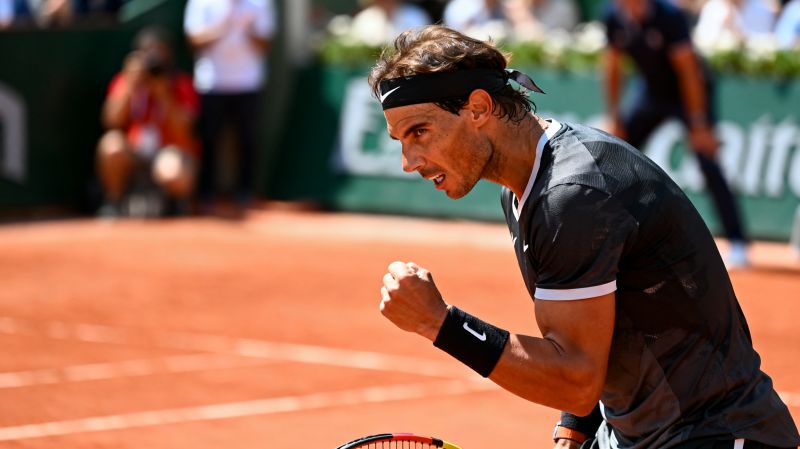
often questioned after recent injuries, looked sharp;he chased down drop shots and slid into backhand corners with the agility of a player five years younger. The stats back it up: 32 winners to 15 unforced errors, and an 81% first-serve points won. But numbers only tell part of the story. The real narrative was his ability to neutralize his opponent's biggest weapon—a flat, powerful backhand—by looping heavy topspin to that wing, forcing errors. It was tactical brilliance wrapped in physical dominance.Nadal advances to the French Open final, and with that comes the weight of expectation. He's never lost a final here. Fourteen appearances, fourteen trophies. That kind of record isn't just about talent;it's about nerve. I remember watching him in 2020, dismantling Novak Djokovic in straight sets under the roof, and thinking: this is a man who treats pressure as fuel. This time, the challenge might come from a younger opponent—perhaps Carlos Alcaraz or Jannik Sinner—but the dynamic remains the same. They'll be facing not just a player but a myth. Nadal's clay-court IQ is unmatched;he reads the bounce, adjusts his footwork。and constructs points like a chess grandmaster. You can't teach that. You can only admire it.
Off the court, Nadal's demeanor has been equally telling. He's spoken openly about managing pain, about cherishing every match as if it were his last. That perspective, born from years of injuries, has sharpened his focus. In his post-match press conference, he shrugged off questions about retirement with a wry smile: "I'm here to compete, not to say goodbye." It's this blend of humility and ferocity that endears him to fans. The French crowd, notoriously demanding。has adopted him as one of their own—cheering his winners, groaning at his rare misses. There's a mutual respect that transcends nationality.As Nadal advances to the French Open final。the tennis world holds its breath. Another title would extend his own record, but it would also add another chapter to the most remarkable story in clay-court history. His opponents keep changing;
his dominance doesn't. Whether you love him or root against him, you're witnessing something rare: an athlete who has turned a single tournament into a personal fiefdom. Sunday's final will be a test, sure. But if history is any guide, Nadal will find a way. He always does.