he Japanese national team walked off the pitch in Doha last December with their heads up, despite a penalty shootout loss to Croatia. That exit stung, sure. But it also confirmed something that has been building for years: Japan is no longer a plucky underdog that occasionally springs a surprise. They are a genuine fixture in the World Cup knockout rounds, and opposing coaches now plan for them with the same seriousness they reserve for European or South American sides.Look at the numbers. Japan topped a group containing Germany and Spain — not by parking the bus, but by pressing high, switching formations mid-match。
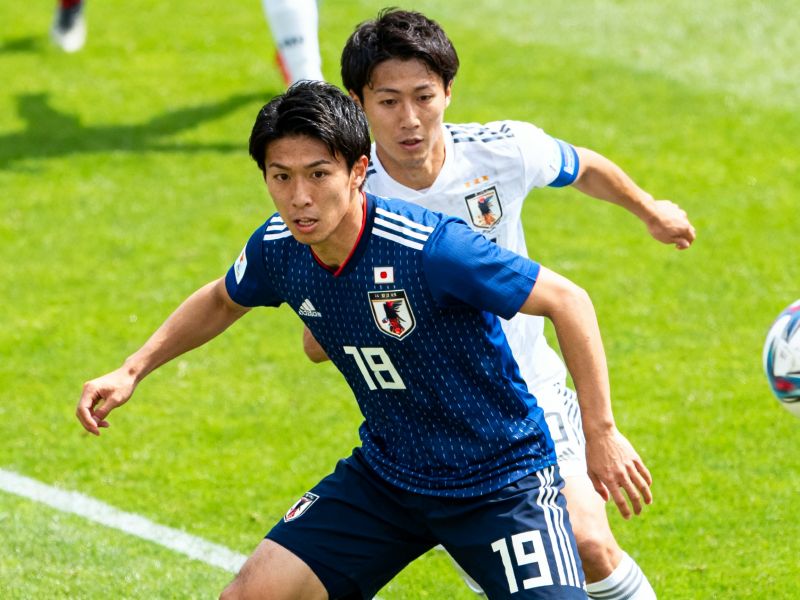
and scoring goals that required real composure. Ritsu Doan's equalizer against Spain came from a lightning counter. Ao Tanaka's winner was a razor-thin goal-line call that VAR upheld. Fine margins, yes. But great teams live on fine margins. The days of Japan folding against elite opposition are gone. In their last 12 matches against top-20 FIFA-ranked nations, they have won five, drawn three, and lost four — a record that would embarrass plenty of traditional powers.What makes this Japanese national team different from the Keisuke Honda era?Depth, mostly. Coach Hajime Moriyasu can rotate seven or eight starters and still field a coherent。aggressive side. Take the 4-1 thrashing of Germany in September 2023 — a friendly, but a statement nonetheless. Moriyasu started Junya Ito and Kaoru Mitoma on the flanks, but it was substitutes like Takefusa Kubo who changed the tempo in the second half. That kind of bench impact used to be a fantasy for Japanese squads. Now it is expected. The domestic J. League no longer produces all the key players;the core comes from Liverpool, Brighton, Arsenal, Real Sociedad, and Freiburg. That European seasoning matters. They are not tourists abroad anymore — they are starters in the Premier League and Bundesliga, and they bring that weekly intensity back to the national team setup.One thing I find genuinely refreshing: this group does not rely on a single talisman. When Maya Yoshida, the long-time captain, aged out of the starting XI, there was no crisis. Ko Itakura stepped in. When Yuya Osako faded, Daizen Maeda and Ayase Ueda filled the void with different skill sets — Maeda's relentless pressing。Ueda's poacher's instincts. That adaptability is rare. Plenty of national teams crumble when their one superstar declines. Japan just reloads. The 2024 Asian Cup was a stumble, a quarterfinal exit to Iran that exposed some defensive fragility under sustained pressure. Moriyasu took heat for it, and rightly so. But the response since then — a string of disciplined performances in World Cup qualifying — suggests the lesson was absorbed, not ignored.Is this a golden generation?
Maybe. But golden generations often win nothing. What matters more is that the Japanese national team has built a system, not a moment. The 2026 World Cup will be their eighth straight appearance. They have reached the round of 16 four times. The quarterfinal barrier still stands. Breaking it will require beating a heavyweight on a night when everything clicks — no small ask. Still, when you watch Japan play now, you no longer wonder if they belong. You wonder how far they can push. That shift in expectation, from hopeful to demanding。is the real story of this team's evolution.